
Key Takeaways:
- Quality management is a systematic approach to ensure that residential construction projects are completed to the highest standards.
- Quality management starts at the project’s planning stage, with experienced professionals conducting inspections to verify that everything meets the agreed-upon specifications.
- There are multiple steps involved in creating a quality management plan.
- Common problems during construction include safety concerns, delays, cost overruns, disputes among team members, weather fluctuations, and unanticipated changes in materials or labor costs.
It’s no secret that a well-executed construction project can add tremendous value to your home, while a poorly executed one can be a costly disaster. That’s why it’s important to have a solid plan before starting any construction project – and to stick to that plan as closely as possible. In this blog post, we’ll talk about the basics of residential construction quality management and how you can ensure your project goes smoothly from start to finish.
What Is Quality Management, And Why Is It Important For Residential Construction Projects?
Quality management is a systematic approach to ensure that residential construction projects are completed to the highest standards. It is common for property owners, builders, and contractors to set strict guidelines related to quality, but quality control goes far beyond this.
Quality management starts at the project’s planning stage, with experienced professionals conducting inspections throughout the process to verify that everything meets the agreed-upon specifications. This means closely monitoring tasks such as materials selection, execution of work, installation and testing, supplier performance, and warranty provisions.
Considering all these elements, residential construction teams can guarantee that their projects will be completed with the utmost attention to detail & quality assurance. Not only does this ensure maximum safety for homeowners and occupants, but it also safeguards against potential litigation or damages caused by substandard quality or materials. Quality management is a powerful tool for creating successful residential building projects and satisfied clients when implemented properly!
For detailed information, read quality control and safety during construction.
Steps Involved In Creating A Quality Management Plan For Your Project
Designing a quality management plan is essential for any project. A quality management plan aims to ensure that the final output meets the client’s or organization’s desired standards.
There are several steps involved in creating such a plan.
- First, create a list of all the deliverables for your project, as well as any applicable milestones or deadlines. It’s essential to have a written contract with detailed materials and labor specifications outlining how the job will be completed. This document provides a point of reference should any disagreements arise during the process.
- Next, assign team members to individual tasks and define their levels of responsibility.
- You must stick to the agreed-upon budget and timeline as closely as possible. Set milestones throughout the project, so any delays or obstacles can be easily identified and addressed before they become significant problems.
- Afterward, establish quality assurance goals and criteria to monitor progress and ensure consistent results.
- Ensure proper communication is maintained between all involved parties and that questions are asked when needed by both sides of the agreement.
- Finally, review the plan regularly with all stakeholders and adjust it according to any changes in scope or objectives. When done correctly, a quality management plan should provide a clear roadmap for success from start to finish on any project.
By proactively planning, you can ensure that your team is ready for what’s to come. Keep vigilant attention to detail and make adjustments when necessary. You can guarantee top-level results for even the most complex projects. Ultimately, projecting quality is key to achieving success in any venture!
Related: Questions To Inquire When Hiring A Commercial Construction Company
Common Problems That Can Occur During Construction
Construction projects come with a host of potential issues, some of which are to be expected, while others can be unexpected or even catastrophic.
- Safety is often an overarching concern during construction, as accidents and workplace injuries can put workers and visitors at risk.
- Delays, cost overruns, and disputes are just a few of the issues that builders often face.
- Temperature and weather fluctuations—such as hot summers or wet winters—can also cause problems, such as premature drying of materials or damaged equipment.
- Unforeseen changes in building materials or unanticipated labor costs can cause budget issues.
- Conflict among team members on the job site can also affect operations, delaying construction and leading to costly rework. If errors are not discovered soon enough, they can lead to delays or costly repairs that blow the budget out of whack.
- Complications due to HVAC systems or electrical wiring can present design problems that need to be addressed by experts.
Additionally, inexperienced workers may unknowingly make mistakes that need to be gone through with a fine-toothed comb before the completed project will pass inspection standards.
Overall, the more carefully the construction phase is managed, the fewer issues will likely be during any building project.

Benefits Of Having A Construction Quality Management Plan
- Construction quality management is important for ensuring the safety of everyone involved in the project – workers, pedestrians, and drivers.
- Construction quality management plans help to prevent construction defects and save money in the long run.
- A well-executed construction quality management plan ensures that projects are completed on time and within budget.
- Depending on the particulars of your project, you can adjust construction quality management plans to fit those needs.
- By having a construction quality management plan in place, you can rest assured that your project will be carried out safely and efficiently.
Conclusion
No matter the size or scope of your project, it is important to have a construction quality management plan in place. Quality management plans help ensure that all steps of the project are carried out safely and effectively, with an eye toward efficiency and cost savings. By taking the time to plan properly for each step of the process, you can rest assured that the end result will be a high-quality project that meets all of your expectations.
You’re probably wondering how to turn your dream home into a reality. Wonder no more! Voshall Construction can help you with every step of the process with our residential construction services.
Building a new home can be daunting, but we’re here to help make it as smooth and easy as possible. We’ll be involved at every step, so you don’t have to worry about a thing.
Imagine waking up in your brand-new home, made exactly the way you always wanted it. With Voshall Construction, that dream can become a reality. Let us help you build your perfect home today in Los Angeles.
Smart Tips For A Successful Office Reno & Remodel
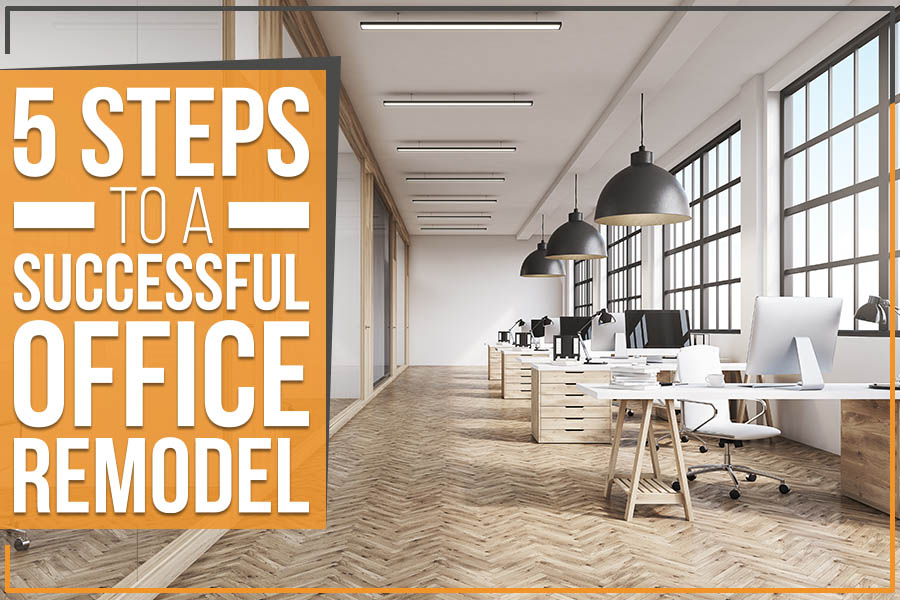
Key Takeaways:
- When planning your office renovation or remodel, it is essential to set clear goals and a realistic budget.
- Consider hiring a professional contractor for help with design, construction, and project management.
- To maximize the efficiency of your office space, purchase materials and furniture that are both functional and aesthetically pleasing.
- Move the furniture and change the layout of your office after the remodel.
- Make a budget and keep your needs in mind when allocating expenses.
Are you looking to renovate or remodel your office space? Whether you’re a small business owner planning for the future, or a large corporation looking to stay up-to-date with the latest trends, it’s essential to approach office remodeling and renovations with smart and strategic planning.
The importance of staying up to date with the latest trends in commercial construction and office design cannot be underestimated. After all, a modern, functional workspace is key to attracting and retaining top talent, increasing productivity and profitability, and creating a positive company culture.
So how can you ensure that your office renovation or remodeling project goes smoothly? Here are some practical tips by Voshall Construction.
1. Define the scope of the project
The first step in any successful office remodeling is to define the project’s scope. What work needs to be done? What areas need to be updated? What furniture needs to be replaced? Answering these questions will enable you to set clear goals and priorities for your renovation and estimate the costs involved.
Once you have a clear idea of the work that needs to be done, you can develop a budget and timeline for the project.
2. Develop a budget
Before beginning any office renovation, it is essential to develop a budget for the project. You must have set aside some funds to cover the costs of labor, materials, and other expenses that may arise. And since you know the scope, estimating the cost may be more accessible. As a more innovative strategy, you can always consult a contractor to help you estimate the budget for your commercial construction.
3. Hire a contractor
Any commercial construction or office remodeling aspect stays incomplete without a skilled remodeling contractor. Not only will they assist you in coming up with better ideas for the design and layout of your space, but they can also increase the value of your property by carrying out renovations professionally. To get the best results, be sure to do your research and compare the credentials and portfolios of multiple contractors before making a final decision.
4. Purchase materials
Once you have hired a remodeling contractor, it is time to purchase materials for the project. Try to buy all materials in one place to get discounts on bulk purchases. Quality is another crucial factor to consider when buying materials. Be sure to choose reputable brands with a good warranty or money-back guarantee. Keep the overall look and style of the office in mind when selecting materials, as this can help you achieve a cohesive and polished look for your office renovations.
5. Schedule construction
Now that all the materials are in your possession and you have a clear plan for the office remodel, it is time to set up a schedule and timeline for construction. Work with your remodeling contractor to carefully map out a detailed schedule considering potential setbacks or delays. This will help minimize stress and ensure a smooth, successful office remodeling.
6. Coordinate with vendors
If your office remodeling involves changes to electrical or plumbing systems, coordinate with vendors such as electricians and plumbers in advance. These changes can often take longer than anticipated, so it is essential to give yourself enough time to schedule these changes well in advance of when they need to be completed. However, some top-tier remodeling contractors offer their vendor network, so you may only need to work with one vendor if you opt for this option.
7. Move furniture and equipment
Moving your furniture and equipment is a two-way process. Once the construction begins, you will have to empty the entire space and move all the items and furniture back in. Such practices can be time-consuming, especially if you have many large pieces of equipment or office equipment. Take this opportunity to introduce changes you may want to make to the office interior. You can finally add that extra large monitor for your staff or install a more ergonomic and comfortable office chair.
8. Install new technology
A significant aspect of smart office remodeling is the addition of new technology. This addition could be a new video conference system, an updated and more efficient phone system, or an integrated security solution. Consider your office’s unique needs and make any technology upgrades necessary to keep your business running smoothly and efficiently. If you’re going for integrated or automated solutions, hire professionals to help with the installation and setup.

9. Paint and decorate
Painting and decorating may be the last but not least aspect of your office makeover. This is a great time to refresh and revitalize the look of your office space with new colors, patterns, and textures. Choose energizing and uplifting colors to help keep your team motivated, productive, and happy in their work environment. You must remain mindful of your company’s brand identity and ensure that the branding is reflected in all aspects of your office renovation or remodel.
10. Keep it functional
Finally, remember that an office renovation or remodel should also be functional. Ensure your new design elements are fully operational, ensuring that your team can work efficiently and effectively in this new office space.
Ending Note:
Whether planning a full-scale office renovation or simply updating your office decor, these smart tips can help you create a successful and functional office space that inspires productivity and enhances your team’s overall performance. With careful planning and attention to detail, you can ensure that your office renovation or remodel is a complete success!
Remodeling Contractor in Pacific Palisades, CA
At Voshall Construction, serving Pacific Palisades, CA, we understand the importance of well-designed and functional office space. With our years of experience in commercial construction and office remodeling, we offer the top commercial construction or remodeling when you need fast turnaround and onsite delivery. We know your office renovation’s importance to you, so we are dedicated to providing top-notch service and high-quality materials built to last.

Key Takeaways:
- Building profit can increase when steps are taken to recycle or repurpose construction waste properly.
- Contractors should work with professionals to properly dispose of asbestos and other lethal materials.
- Proper waste management lets you comply with legal and environmental regulations and build a good reputation in the community.
- Construction costs can be cut by finding new uses for materials and building off-site.
- More and more building contractors are seeing the benefits of reducing construction waste.
From a remodeling project in Brentwood, CA, to building a brand-new home in Hollywood Hills, construction waste is everywhere on building sites. In fact, managing construction often proves the most significant disadvantage of any project, considering how it is one of the biggest contributors to building contractors’ profit loss.
But what is this waste, and how can your building contractor reduce it?
Voshall Construction will tell you about everyday post-construct waste and the benefits of reducing it for building profit.
Types of Construction Waste
Concrete, cement, and ceramics
When building a home involves pouring and shaping concrete, cement, and ceramic materials, there is often leftover waste from these materials. Not only are these some of the heaviest materials on a construction site, but getting rid of them also tends to be expensive. Cranes are often needed to lift and dump the waste, and there are disposal fees at landfills.
Wood and plastic
Wood is used in more than just framing, and plastic is used in insulation and pipes. These materials can be easily recycled but often end up in landfills if not correctly disposed of. Building profit can increase when steps are taken to recycle or repurpose this construction waste properly.
Insulation and asbestos material
Insulation and asbestos materials can be reused in some cases but often need particular disposal due to health risks. Due to its highly hazardous nature, building contractors should work with professionals to properly dispose of asbestos and other lethal materials. However, you shouldn’t worry if your house was built recently since building codes prohibit using asbestos in new construction.
Coal tar and asphalt
As attractive as asphalt may be for your driveway, it can be difficult to repurpose or recycle when it comes to demolishing a building. In the olden days, it used to be burned off, but this is now illegal, and building contractors must work with experts to dispose of it properly. Recent techniques and advancements have made it possible to repurpose coal tar, such as infrared asphalt restoration.
Paints and varnishes
Building contractors often joke about how paint is melted plastic. And while they may not be wrong, it’s still not easy to dispose of. Like asphalt, it used to be burned off or disposed of in landfills, but there are now better options. Paint can be donated to fire departments for practice burns or brought to designated recycling facilities.
Sealants and adhesives
Old sealants and adhesives can take years to break down, making them incredibly damaging to the environment if not disposed of properly. Many building supply stores now offer take-back programs, so instead of throwing out that half-used tube of caulk, bring it back to be recycled or properly disposed of.
Metals
When structures are demolished or raised, metal is often one of the materials left behind. Rather than throwing it away, building contractors can reuse these metals and save money on building materials. Suppose they are unable to reuse the metal themselves. In that case, they can also sell it to scrap metal companies which will recycle it for future building projects.
Benefits of Proper Construction Waste Management
Benefits of health and safety
Increase in profits through reduced waste disposal fees and cost savings from reuse. When the material is lying around on the site, it poses a safety hazard. It can also increase the likelihood of building code violations. For keeping their workforce and clients safe, waste management enables contractors to keep their sites clean and organized.
Legal compliance
In addition to building code violations, improper waste disposal can lead to fines and penalties from local authorities. As a homeowner, you can save essential time on your construction project by ensuring your building contractor complies with all local waste management regulations.
Even if it may cost a little extra, it’s worth the peace of mind to know that your contractor is taking all necessary steps to dispose of construction materials.
A good reputation for contractor
Effective waste management adds to the building contractor’s credibility and reputation. Homeowners want to work with a contractor they can trust, and demonstrating responsibility in the waste disposal process shows clients that they prioritize sustainability and efficiency.
This higher credibility lets more clients and potential investors trust the contractor’s abilities, potentially leading to higher profits.
Saving costs on the project
Your sole intention is to build a beautiful and functional home for yourself, not build up piles of construction waste. When the contractor knows how to reuse and recycle the building materials, they can save on costs for purchasing new materials. Your construction project will now be completed without any unnecessary added expenses.
Eco-friendly building
Not only does reducing waste saves money for the building contractor, but it also helps promote a healthy and eco-friendly environment. We all know it is essential to reduce our carbon footprint and lessen environmental waste. By ensuring that your building contractor practices proper waste management, you, too, can contribute to preserving our planet.
A win-win for all parties involved
The public is becoming more and more conscious about environmentally friendly building practices. Building contractors can attract more clients who prioritize sustainability by promoting eco-friendly construction. On the other hand, you can get your home built at affordable rates because no waste will end up in landfills, reducing disposal fees.

Ending Note:
Are you saving money on your construction project and helping the environment? Talk about a building win. So next time you hire a building contractor, inquire about their waste management practices. You can now add an eco-friendly building to your list of selling points for potential buyers. Let’s reduce construction waste, one building project at a time.
Contractor in Brentwood, CA
If you want nothing but the best in terms of the quality of your construction, Voshall Construction, serving Brentwood, CA, can help. We will give you a building project that saves money and helps the environment by reducing landfill construction waste. Get your home-building project started with us today.

Key Takeaways
- Make sure the commercial construction company has experience with similar projects
- Inquire about the necessary permits and requirements for your project
- Be clear about your expectations and what you want from the contractor
- Get a realistic timeline for the project from start to finish
- Ask about their insurance and liability coverage
Commercial buildings are an essential part of the business landscape. They can be used for various purposes, from office space to retail stores. Construction of these buildings is a big investment, and it’s essential to get it right.
When starting or expanding a business, choosing the right commercial construction company for the job is essential.
According to a report, more than 6,000 firms specialize in construction in the U.S. As the data specify so many companies out there, how do you know which one is right for you? Voshall Construction will discuss the common question to ask to hire the right company for your commercial construction project.
Questions to Consider Asking A Commercial Construction Contractor Before Hiring
Your workplace should reflect your company’s values, mission, and goals. It should also be a place where your employees feel comfortable and productive. You can’t botch your workplace by giving it to an unqualified contractor. Here is a list of questions/answers to consider to hire the best of the best.
1. What is the construction company’s experience?
While looking for a company, you want someone that knows what they’re doing and have much experience to back up their claims. Company experience can tell a lot about them before even signing a contract. Be sure to ask about the company’s expertise in commercial projects.
Red Flag:
If the contractor is new to the scene or only has a few projects under their belt, you may want to consider someone with more experience.
Must-Have:
Preferably a construction contractor with ten years or more of commercial construction experience.
2. Do they have a portfolio of previous projects?
Checking a contractor’s portfolio is a great way to see the type of quality work they can do. Other than asking, you should make a quick search on yelp and the company’s website to know whether they have gotten positive reviews or not.
Red Flag:
If they don’t have any photos or examples of their previous projects, it could be because they’re not proud of their work.
Must-Have:
Choose a contractor with a robust portfolio showcasing a variety of previous projects.
3. What is their licensing and insurance status?
Even if you’re hiring a professional construction company, accidents can happen. However, professional services are backed up by insurance, so you don’t have to worry about cost implications even if damages occur.
Red Flag:
They don’t have any insurance.
Must-Have:
Reputable contractors will always have the proper licensing and insurance to protect themselves and you as clients.
4. What are their project costs?
Cost is always an important factor when hiring any contractor. You want to ensure that the company you’re working with is affordable and within your budget.
Red Flag:
A company that is unwilling to provide a detailed breakdown of its costs.
Must-Have:
A reputable construction company will be able to give a well-detailed breakdown as well as a free estimate even before any negotiation occurs.
5. What is their safety record like?
Safety should be one of your main priorities when choosing a construction company. After all, construction sites can be dangerous places.
You want to ensure that the company you’re working with has a good safety record and takes the necessary precautions to protect its employees and clients.
Red Flag:
A company unwilling to provide information about its safety record is a red flag. You should also be wary of companies with many negative reviews about their safety practices.
Must-Have:
Construction Contractors have offered relevant training and insurance to their employees in case of injury or damage.
6. What is their payment schedule?
Another common question to ask is about a company’s payment schedule.
Most commercial construction projects are paid for in phases, corresponding to a certain amount of work being completed.
It’s important to know when payments are due and how much is expected at each phase.
You don’t want to be surprised by a large bill at the end of the project.
Red Flag:
If a contractor is asking for a large down payment upfront, that could be a sign that they are in financial trouble and may not be able to finish the project. It also puts you at a higher risk, as they can abandon the project midway without informing you.
Must-Have:
Payment is broken into small phases and prices based on the phases and requirements of the company.
7. Have they Worked on Similar Projects?
A construction contractor with experience with the type of project you’re undertaking is ideal.
They will better understand the permits required, any potential issues that could arise, and what needs to be done to complete the project.
Red Flag:
If they haven’t worked on a similar project, they may not be familiar with the process. Hiring them could pose a risk of getting something far from your expectations.
Must-Have:
The construction company must have worked on similar commercial projects such as yours. They would be able to work more efficiently than those who haven’t.
Also Read: How To Begin Preparations For Your New Commercial Construction Project?

Conclusion
In conclusion, these are all critical questions that will help you determine if a commercial construction company is the right fit for your project.
When finding the best company, doing your research and due diligence is key. By asking these questions, you’ll be one step closer to finding the perfect contractor for your needs.
If you’re looking for a professional with relevant experience and knowledge regarding commercial projects, consider Voshall Contractors Inc, serving Bel Air, CA. We are a reputable construction company offering high-quality commercial and residential construction. Get in touch with us for an efficient workplace that fits your business.
Contact us today to get a free consultation regarding your commercial project.
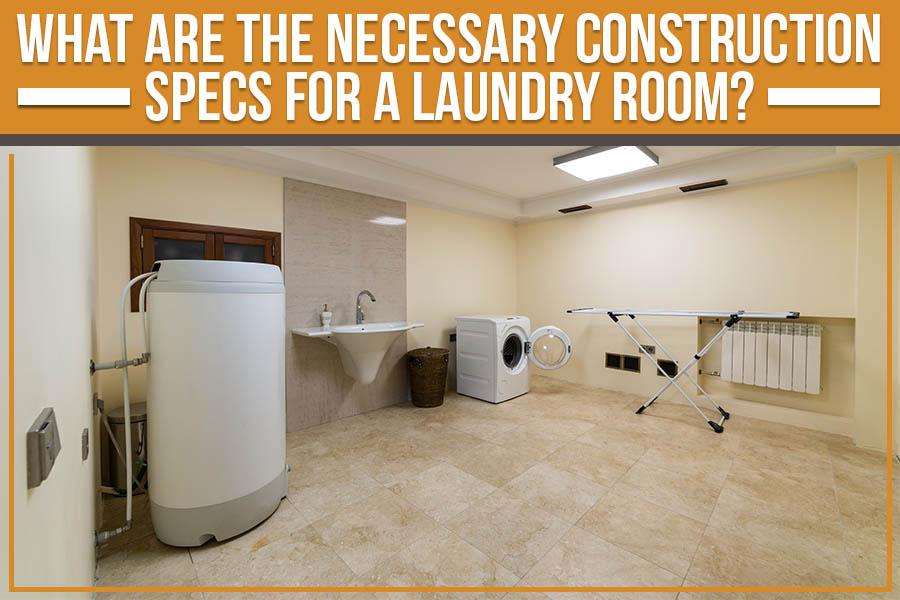
Key Takeaways:
- You shouldn’t customize the laundry room’s design for the appliances that you currently own.
- According to experts, you must allow at least 24 inches of clearance on each dryer side and four inches behind it.
- Always ensure that the room and access to stairs and hallways are wide enough to accommodate moving appliances.
- If you still face mobility issues, consider installing front-loading washers and dryers, which are easier to use.
- Professional home remodelers can help you design your new laundry room and handle all construction specifications.
An ideal laundry room is fully equipped to make your laundering process as seamless as possible. Sufficient lighting, counter space, and storage are crucial in any good design. However, it’s advised that you consult a professional home remodeling expert to get the best idea depending on your unique specifications and situation.
If you’re starting anew or want a complete home renovation, consider the following information to create an efficient and innovative laundry room layout.
What’s Needed in A Laundry Room?
According to a survey from 2019 by the National Association of Homebuilders (NAHB), 95% of new homeowners request a separate laundry room. Moreover, 61% of the laundry rooms were generally built on upper levels instead of the basement or first floor.
The survey shows that homeowners want a multi-functional work area in their laundry room. Most new homes incorporate a laundry area in the entry mudroom, which can be used for pet care and storage.
Built-in solid surface counter space, ironing boards, sewing, gardening, and crafting are as popular as built-in storage spaces. Custom cabinets can be used for storage as well as for keeping cleaning supplies like detergents.
Homeowners may also demand a laundry room sink that may be used for soaking stained clothes. Regardless of how much love or hate the washer or dryer gets, they will always be replaced someday.
Professional home remodeling experts recommend that you shouldn’t customize the laundry room’s design for the appliances that you currently own. Leaving some extra space in the laundry room is always a good idea in case you want to upgrade your devices in the future.
Moreover, suppose you decide to sell your property. In that case, the next buyers may not find the laundry room appealing if it’s not to their specifications. Consulting a professional home remodeling expert can help you make the best decision.
What Are the Space Specifications for Dryers and Washers?
For the product to be efficient, specific standards must be met. The following are space specifications for both dryers and washers so that you can make an informed decision when planning the layout of your laundry room:
Dryers: Professional home remodeling experts recommend allowing at least 24 inches of clearance on each side of the dryer and four inches of clearance behind it. It allows enough space for air to circulate and prevents lint build-up. Vertical clearance should be at least 48 inches.
Washers: You should also allow at least 24 inches of clearance on each side of the washer and two inches behind it. It ensures the water drains properly and the washer doesn’t vibrate excessively.
Electronic Appliances: In electronic appliances, you will need to allow at least four inches of clearance on each side of the appliance and two inches of clearance behind it. It ensures that the appliance can be ventilated and prevents overheating.
Always ensure that the room and access to stairs and hallways are wide enough to accommodate moving appliances. A laundry room door should be around 30 inches wide to easily access.
If there are still mobility concerns, you can consider certain modifications for handicapped access or age in place. These include installing front-loading washers and dryers, which are easier to use or adding a laundry chute from another room in the house.
What Are the Dimensions of a Laundry Room Workspace?
A laundry room workspace is typically a three-sided setup with an open side facing the washer and dryer. The workspace dimensions will depend on the size of your appliances, but you should allow at least 36 inches of width and 30 inches of depth. It gives you plenty of room to sort, fold, and hang clothes.
You may want to consider a larger workspace if you have a front-loading washer and dryer. This type of washer and dryer requires less clearance on the sides and behind them, so you’ll have more room to work with.
Here’s more information on how professional home remodeling can improve your home’s value.

Can I Install a Laundry Room in My Basement?
Yes! You can install a laundry room in your basement. However, there are a few things you’ll need to take into account.
First, your basement must be adequately waterproofed and have good drainage. Otherwise, you run the risk of flooding your laundry room.
Second, you’ll need to consider the height of your ceilings. If they’re too low, you won’t be able to install standard-sized washers and dryers. You may be able to have them custom-made, but this will add to the cost of your project.
Finally, you’ll need to factor in ventilation. Laundry rooms can get quite humid, so proper ventilation is essential. If your basement has no windows, you’ll need to install a fan or two to keep the airflow consistent.
Once you’ve considered these factors, you can start planning the layout of your laundry room. You can go about this many ways, so deciding what will work best for you and your home is essential.
One option is to install your washer and dryer side by side. It’s a good choice if you have a small laundry room, as it will save space. You can also put your washer and dryer in separate alcoves if you have the space.
Another option is to put your washer and dryer on opposite walls if you have a large laundry room, giving you more space to move around.
Construction Specifications for A Laundry Room
The plumbing and electrical specifications for a laundry room are relatively simple. You will need a water line for your washer and an electrical outlet for your dryer. You may also want to install a gas line using a gas dryer.
Suppose you are planning on doing a complete home renovation. In that case, hiring a professional home remodeling company is the best way to ensure that your project is completed correctly according to specifications the very first time.
They will also be able to help you with the design of your new laundry room, as well as handle all of the construction specifications. It will take the stress off and allow you to focus on other aspects of your home renovation.
Voshall Construction provides exceptional residential and commercial construction services in Beverly Hills, CA. We have been serving the construction industry since 1983.
Building Or Renovating: What Is Right For Me?
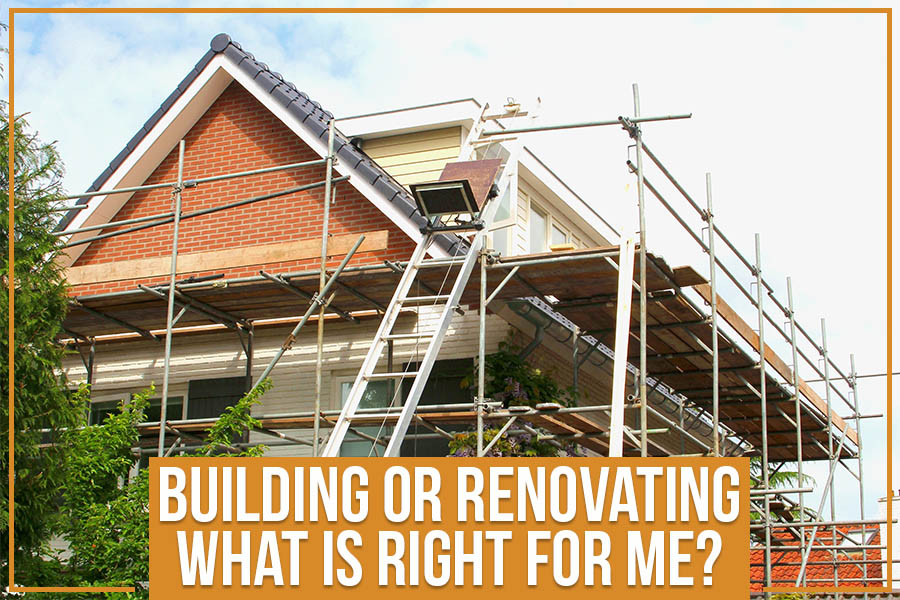
Blog Key Takeaways:
- Home construction and renovation are two different things.
- Home construction is when you build a house from the ground up, while home renovation is when you improve an existing structure.
- Home construction can be more expensive and disruptive than home renovation. Still, it also has the potential to be more rewarding.
- Suppose you’re considering undertaking a home construction or renovation project. In that case, it’s important to do your research and be prepared for the stress that may come with it.
As the saying we all remember goes, home is where the heart is. And for most of us, our home is more than just a place to rest our heads at night. It’s a sanctuary, a place to come back to after a long day. Home is where we make memories with our family and friends.
So, it’s no stunner that most of us are passionate about our homes and always looking for ways to improve them. But seriously, do you ever find yourself daydreaming about the perfect home?
Maybe you picture a sprawling estate with white columns and perfect gardens, or maybe something a little more rustic and cozier. Whatever it is, chances are that your dream home is not exactly practical for your current life situation. So, what do you do? Start building or renovating!
There’re many factors to consider when making this decision, from budget to timeline to personal preferences. In this blog post, Voshall Construction will explore some of the things you need to consider when deciding whether to build or renovate your home. We’ll also examine some of each approach’s pros and cons to make the best decision for your family. Thanks for reading!
Home Building: What Do I Need to Know?
Building a home from scratch is more involved than renovating an existing one. You’ll need to find and purchase land, get the permits required to build on that land, and then begin construction. Depending on the size & complexity of your home, this process can take anywhere from several months to over a year. The amount of new dwellings being constructed in the United States is increasing. In June 2022, there were 1.6 billion new housing units under construction.
You’ll also need to include the cost of materials and labor when budgeting for your new home. Building a custom home offers you more control over these costs, as you can select lower-cost materials or work with a smaller crew. However, you’ll still have to account for the added expense of land acquisition when budgeting for your project.
Pros & Cons of Building Your Own Home
Let’s discuss the pros first.
1. You Are the Boss:
As the owner, you are in charge of every aspect of the design and construction process. This means that you can make your home as unique as you’d like it to be without worrying about the constraints of an existing home. You’ll also have more control over the quality of materials used in your home and the level of craftsmanship the builders employ.
2. It Can Be More Affordable:
While the initial cost of building a custom home may be higher than buying an existing one, it will likely be cheaper in the long run. This is because you’ll have more control over the materials used and the level of finish work, which can impact your project’s overall cost. Additionally, if you can find a good plot of land, the cost of building a home may be lower than the cost of purchasing an existing one.
3. You Won’t Have to Compromise on Your Wants and Needs:
When you build your custom home, you get to decide exactly what you want and need in your home. This means you won’t have to make any compromises regarding layout, finishes, or fixtures. On the other hand, if you snag up an existing home, you may have to compromise on your wants and needs to get a home that meets your budget.
There are some cons as well:
1. It Takes Longer to Build a Home:
One of the main disadvantages of building a home is that it takes much longer than purchasing an existing one. Depending on the size & complexity of your home, it could take anywhere from several months to over a year to build.
2. It Can Be Stressful:
Building a home can be a truly stressful process. There are many facets to keep track of, from choosing the right builder to ensuring the construction stays on schedule and budget. If you’re not prepared for it, the stress can be overwhelming.
3. There’s More Room for Error:
Since there are so many aspects to building a home, there’s also more room for error. One minor mishap can cost you a lot of bucks and time to fix.
Also Read: The Client’s Ask: How to Avoid House Reno Disruptions?

Home Renovation: What I Need to Know?
In a nutshell, home renovation is the process of making changes and improvements to your home. It can be anything from a minor change, like painting a room, to a major overhaul, like gutting the kitchen & starting from scratch. It’s a good option for folks who want to make changes to their home but don’t necessarily have the time or money to build a new one from scratch.
Pros & Cons of Renovating Your Own Home
Alright, let’s quickly see the pros:
1. You’ll Almost Certainly Save Money by Doing It Yourself:
Yep, doing it yourself will almost always be cheaper than hiring somebody else to do it. The primary exception is if you’re planning on making major changes requiring specialized skills or equipment, like rewiring the electrical system or knocking down walls.
2. You Can Take Your Time:
There’s no need to hurry when you’re renovating your own home. If you want to take a couple of months (or even years) to finish the job, that’s fine. This is truly useful if you’re working on a tight budget and can only afford to do a little bit at once.
3. You Can Choose Your Materials:
You get to decide what materials to use for your renovation when you’re in charge. This means you can choose sustainable, environmentally friendly options if that’s important to you.
The cons of home renovation are:
1. It Can Be Disruptive:
Home renovations can be quite disruptive, especially if you’re doing a lot of work at once. This can surely be challenging to deal with if you have young children or you are working from home.
2. It Can Be Expensive:
Renovating your home can be expensive, especially if you are hiring professional help. If you’re on a tight budget, it’s important to do your research and figure out what you can afford before you start the project.
3. It Can Be Stressful:
Undertaking a home renovation can be stressful, as many moving parts are often involved. If you’re not prepared for it, it can be easy to get overwhelmed.
The Verdict
So, which is better for you? It depends on your circumstances. If you want to save money, construction projects might be the way to go. However, renovation might be the better choice if you’re looking for a less stressful option. Ultimately, it’s up to you to find out what’s right for your home and your family.
One thing that we always tell other folks is NOT to go DIY on their projects, as it can end up costing more in the long run! If you’re unsure what to do, it’s always best to speak with a professional.
Let The Professionals Take Care of Your Home in Beverly Hills, LA!
Voshall Construction Services is a fully licensed and insured residential & commercial construction contractor in Beverly Hills, LA. We offer our clients a wide arsenal of services, including design, permits, framing, roofing, siding, windows & doors, gutters & downspouts, decks & patios, painting, and much more.
Please get in touch with us today if you have any further questions or would like to schedule a free consultation.

Key Takeaways:
- An office build-out is a commercial renovation of leased space to make it suitable for business use.
- New businesses need cost-effective office space solutions & the options are endless.
- Build-outs usually require a capable interior designer to create a modular office that can be restored to its original form at the lease’s end.
- Before leasing space, consult the landlord for a ‘make good’ requirement, then design your office space.
- Voshall Construction, serving Los Angeles, CA, offers modern & cost-effective commercial build-out solutions for startups & small businesses.
Are you tired of your garage office? Did you lease office space but need ideas on how to set it up in style? Have you ever heard of an office build-out? Do you want to know how it can be done in a commercial space without breaking the bank?
Well, don’t start tearing down the place just yet because you might be missing a few many steps that could save you money. Get the building codes, see if the landlord asks for a ‘make good’ clause, and then call us to help you through the rest!
Let’s have it from Voshall Construction, the most reliable & capable residential & commercial reno & remodel experts in LA. We’re going to help you get your office build-out on a budget!
Office Build-Outs
In construction speak, the term represents the activities required to upgrade or retrofit an existing commercial space to the needs of a client or tenant. They are also called ‘tenant improvements, or TI.
So, suppose you have a space on a floor at a commercial building & you want to set up your business there. In that case, you would have to spruce it up to accommodate your business’s various, albeit budding, departments.
Sometimes, a space may already have been built how you want it to be, but changes are often needed.

What Do You Need for A Build-Out?
After you have cleared out the finer lease details, the landlord will usually suggest their build-out contractor. You still have the freedom to pick your contractor, so make sure you choose a reliable one when the bids come in.
Next, you will need an architect specializing in tenant improvement projects. Before you begin additions, you must consider the costs of gutting out the previous additions to your leased space.
The architect & build-out contractor must have a thorough understanding of the building codes to begin their work with construction compliances in mind.
Some Feasible Office Layouts
So, when you begin with a build-out, you have to keep in mind to keep the office layout as adaptive & adjustable as possible. When the lease ends, you might be committed by law to restore the space to its original condition.
To cut down on those costs, we have a few possible office layouts you can use to your advantage. Besides, the layout is the crux of what is needed in a commercial office space.
Open Plan
Installing too many rooms in an office build-out is fine, as long as you can cover the costs. But if you want to balance office ambiance with enhanced productivity, & low operating costs, then an open plan space is the way to go.
Here, your employees can work in an exposed floor plan with spacious & shared workstations. There are few individual rooms, but you can accommodate a sizeable team, especially if you are a growing business.
Minimalist Space
As our interior experts would have you know, minimalism is perfect if you have an entrepreneurial startup & need that ‘new-age’ vibe. Give the walls a fresh layer and go open plan with aesthetic furniture for maximum space utility.
Opt for a bright color scheme that embodies the company’s brand colors. Add some signage instead of a reception section, and set in a few faux plants.
Feature Wall Office
Dedicate a panel of dividers to commissioned artwork to add more depth to your business. You can go for forest scenery if your business is based on an environmental ethos. It’s not much of an office build-out element as it is an addition, but it is effective nonetheless.
Department Dividers
Suppose you like an open space layout but need some form of partitioning without adding too much to the office build-out. In that case, you can use makeshift dividers or a privacy screen.
If your budget allows, then glass dividers are a nice touch. The layout can accommodate storage & act as individual rooms while offering space for a growing team. Just leave the design to us!
Economical Office Furniture
There is nothing wrong with opting for bulky-looking, economical & ergonomic office furniture, especially if you have paper filing. Even if your business is IT-related, you will still need employee-friendly furniture to ensure optimal productivity. Combine this with adjustable partitions, and you have a unique office space on a budget!
Existing Feature Utility
Finally, suppose you are tight on budget and want to keep the office build-out as inexpensive as possible. In that case, you can have Voshall Construction refresh your lease space to integrate existing features into your new office.
Period features in dated commercial office spaces can add that opulent touch to the space. Initially, you might want to gut these features, but don’t be too rash and give them time to grow into your finished office design.
Also, read 5 Steps to A Successful Office Remodel.
Caveats To Consider
Curb The Enthusiasm
It’s easy to get ecstatic when securing your first business space that a built-out can get too out of hand after the project builds come in. You can’t know the exact costs until the project goes out for bidding but having an architect on your side helps curb the expected costs. An interior architect will understand the project deliverables better.
Don’t Underestimate Costs
Most business owners leasing their first office spaces expect a build-out. Still, they fail to realize that costs can exceed their budget depending on space, location, and type of space. Featureless spaces cost let to build out but leasing an area that’s already been built on will also cost you demolition charges.
Open-space settings will cost you less while providing a modernistic office setting in a build-out.
Details Take Time
The more ambitious and detailed your office setting plan is, the more time it will take to occupancy. There is also the possibility of construction delays if the build-out company does not see your project as too lucrative.
That’s why it’s crucial to hire committed and expert contractors rather than those a landlord might suggest. And avoid starting a build-out until you have secured the office space lease.
The End-Of-Lease Restoration
Sometimes, property owners tend to add a ‘make good’ clause on a lease. That means you might have to restore the commercial office space to its original state by the end of the lease.
So, as a rule of thumb, opt for modular office build-outs. These spaces tend to be highly adaptive & adjustable that can be installed & removed without too many changes in a leased space.
That way, you save money on your end of the ‘make good’ condition.
Get Our Professionals to Design Your Office Build-Out Plan!
Our team of architects & designers at Voshall Construction are no strangers to commercial office reno & remodel projects. Just let us know what you envision in your leased office space, and we will work on giving your business the sprucing it needs.
We offer our services in Los Angeles, and we cover both residential & commercial construction projects. Don’t miss out on the best reno-pros in the LA area.
Give your budding business the enthralling space it needs. Get our free quotes on our services today!

Key Takeaways:
- Project planning is essential for a successful commercial construction project.
- One of the critical steps in project planning is precisely defining the scope.
- A detailed schedule will help ensure the project stays on track and avoid delays.
- Ongoing communication is critical for the success of any project.
Commercial construction can be an undertaking of mammoth proportions. Without careful planning, your project could easily fall apart. But with a commercial construction plan, you can avoid many potential pitfalls that could otherwise sabotage your efforts.
Project planning is essential for any construction project, but it’s especially important when dealing with a commercial project. By planning and mapping out each step of the process and ensuring all your bases are covered, you can avoid many common problems and save yourself a lot of headaches down the road. So, what should you include in your project plan? Read this blog post by Voshall Construction for some tips.
Project Planning in Commercial Construction – An Overview
Commercial construction projects are complex and multi-faceted endeavors. Many businesses need buildings, from small office complexes to large manufacturing plants. Regardless of the nature of a company, a lot goes into getting the construction done right.
The project plan is one of the most important aspects of any commercial construction project. A well-crafted project plan will lay out every step of the process, from start to finish, and help to ensure that nothing gets forgotten along the way.
Got a construction project coming up? Here is our take on How to Begin Preparations for Your New Commercial Construction Project!
Let’s look at what goes into making a good project plan for commercial construction.

Creating a Project Plan
Every project plan should have the following key components:
1. Defined Scope
The very first step in any commercial project is to determine the scope. What exactly are you trying to achieve? What are the boundaries of the project? Once you clearly understand the project’s parameters, you can begin to develop a plan.
Knowing the answers to these questions will help to keep the project on track and prevent Scope creep, which is when additional tasks or objectives are added to the project without proper planning.
2. Detailed Schedule
Once the project’s scope is determined, it’s time to create a detailed schedule. This should include every task that needs to be completed, who is responsible for each task, and when it needs to be done. A precise schedule will help ensure the project stays on track and avoid delays.
3. Budget
A construction project can quickly become expensive, so it’s essential to create a budget and stick to it. Work with your team to determine the cost of materials, labor, and other expenses that must be covered. Keeping a close eye on the budget will help to avoid overspending and ensure that the project is completed on time & within budget.
4. Risk Management
No matter how perfectly you plan, there’s always the potential for things to go wrong. 1 in 5 deaths among U.S. workers is in the construction industry. That’s why it’s crucial to have a risk management plan in place. This should identify potential risks and include strategies for dealing with them if they occur. By carefully planning, you can help ensure that the project is successful despite any challenges.
5. Clear Communication
Clear & effective communication is critical for any construction project. All team members should know the project plan and objectives to work together to achieve them. Good communication can help avoid misunderstandings and ensure everyone is on the same page.
There are a few key things to keep in mind when communicating with your construction team:
1. Be precise in your communication. Make sure everyone understands what is being communicated and what is expected.
2. Be respectful of everyone’s time. Don’t waste time with unnecessary chatter or long-winded explanations.
3. Be available and accessible. Ensure your team can reach you when needed and that you’re responsive to their questions and concerns.
4. Be patient. Construction projects can be complex, and things will inevitably go wrong. Don’t lose your cool – things will get back on track eventually.
Critical Considerations for a Commercial Project
Understand the Development & Planning:
The development and planning stage is when the project team comes up with the initial idea for the project and creates a plan to make it a reality. This stage can be broken down into four main steps: feasibility study, concept development, schematic design, and design development.
Pre-Design:
This phase of the project is all about feasibility. The first step is to determine whether or not the project is possible and, if it is, what kind of impact it will have on the surrounding community. This can be done through various methods, including market analysis, surveys, and public opinion polls.
Design:
After the pre-design phase is complete and it’s been determined that the project is feasible, it’s time to start working on the design. This is where the team will develop a detailed plan of what the finished product will look like and how it will function.
Construction:
Once the design is complete, it’s time to start construction. This is usually the project’s longest and most expensive phase, as it involves building the structure.
Post-Construction:
After the construction phase is complete, a few final steps need to be taken care of before the project can be considered finished. These include commissioning, punch list items, and turnover to the owner.
Looking For a Commercial Contractor in Malibu, LA? We Can Help!
Voshall Construction is a well-known contractor serving the Malibu community for over 38 years. We specialize in commercial and residential construction projects of all types and sizes.
If you’re planning a commercial construction project in Malibu, we can help. We offer our clients a wide range of services, including project management, construction management, and general contracting.
We’ve experienced professionals working with you to ensure your project is completed on time and within budget. Contact us today to learn more about our services or get a free consultation.
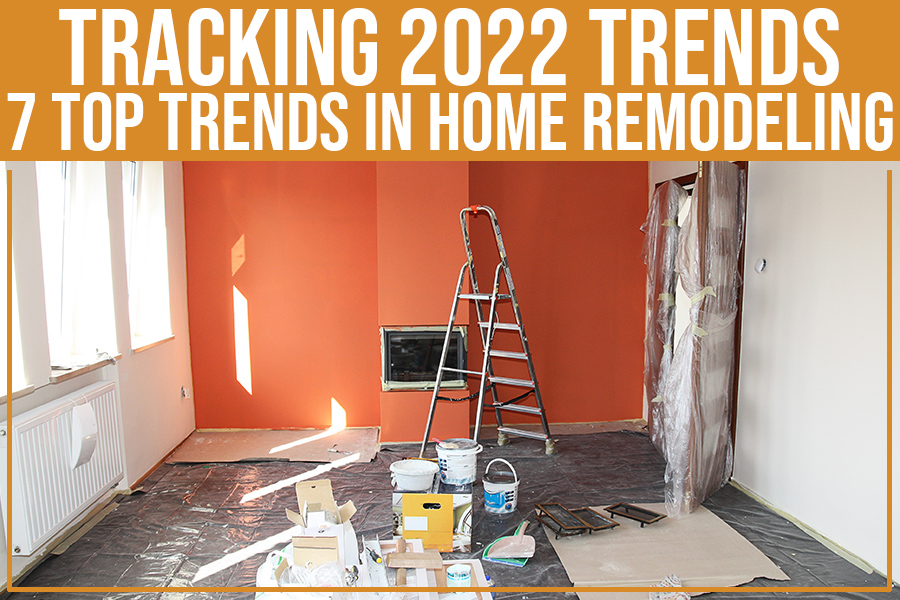
Key takeaways:
- As we move into 2022, many homeowners want to refresh their space and try out some of the latest trends.
- After a year spent mostly at home, comfort is key for many people, as well as efficiency.
- We’re also seeing a continued focus on sustainability and going green.
- Popular trends include biophilic design, advanced materials, and technology integration.
- Outdoor spaces are being integrated with indoor living areas for a trendy space.
It’s essential to keep abreast with the latest trends in home remodeling. Knowing what trends are on the horizon allows you to ensure that your renovation project is as stylish and up-to-date as possible. In this blog post, Voshall Construction will look at some of the most popular home remodeling trends for 2022. Keep reading to learn more!
Trend 01: Biophilic Design
Biophilic design is one of the trendiest ideas in house renovation for 2022. This trend focuses on incorporating natural elements into the home to create a more calming and relaxing environment. Consider adding living walls, natural stone accents, or water features. These elements can help to increase your sense of well-being and make your home feel more like a retreat.
Trend 02: Smart Home Technology
Homeowners are increasingly looking for ways to incorporate innovative technology into their homes. And it’s no wonder why! There are several ways that smart home technology may simplify your life. From controlling your lights and appliances to monitoring your energy usage, there are endless possibilities for incorporating smart technology into your home.
Smart Thermostats:
You can control your house’s heating and cooling with a button if you have a smart thermostat. These gadgets make it exceedingly simple to control and monitor your energy use anywhere. You can reduce your home’s carbon impact while cutting your monthly energy expenditures.
Smart Home Security:
Home security is another big area of smart home technology. Various products on the market can help you keep your home safe, including doorbell cameras, motion-sensor lights, and security systems that can be controlled remotely.
Smart Water Heaters:
With the help of smart water heaters, households worldwide are gaining more control over their energy use. With these cutting-edge devices, you can remotely regulate your water heater, automatically cycle out any potential germs, and even receive leak detection notifications.
Trend 03: Funky Patterns, Colors, and Décor
Homeowners are looking for ways to express their personality through their home décor. And what better way to do that than with funky patterns, colors, and décor? There are endless possibilities when personalizing your space, from bold wallpaper to colorful furniture.
Here are a few other tips for maintaining this vintage look in style:
- To add color to small spaces, use patterned wallpaper.
- Create a submerged living space (also known as a conversation pit).
- Include furniture and windows with unusual shapes.
- Accept hues like mustard yellow, orange, and avocado green.
- Large windows and patio doors on hinges will add a sunroom to your house.
Trend 04: Multifunctional Spaces
Our houses are becoming more than just a place to eat and sleep as we spend more time there. They’re becoming our offices, gyms, classrooms, and entertainment centers. This trend is reflected in the latest home remodeling trends, which focus on creating multifunctional spaces that can be used for various activities.
Here are a few ideas you can make the most of your present space and give it several uses:
- Purchase a foldable table that you can use for work or family meals.
- Use seats that double as ottomans and storage bins to put your feet up and unwind.
- To create an open floor plan, knock down those walls, add a few windows, and merge your dining room and kitchen.
- Installing a murphy bed in the guest room of your house will provide you with a ton of extra space and enable it to serve as a child’s playroom, a guest bedroom, and any other uses you may have in mind.
Trend 05: Eco-Friendly Homes
By incorporating sustainable and eco-friendly elements into your homes, your carbon footprint and energy expenditures may be significantly reduced.
Rooftop Solar Panels:
One of the most energy-efficient additions you can make to your house during a redesign is solar power. It may decrease your reliance on power, lessen your monthly energy expenditures, and, according to studies, raise the value of your property by $15,000 as well.
The development of ever more energy-efficient solar technology has produced panels that are not only small and attractive but also very discrete.
Energy-Saving Windows and Doors:
Being conscious of how much heated or cooled air exits or enters your home is essential for effective energy conservation. Your yearly energy costs may be significantly decreased by replacing outdated doors and windows with energy-efficient ones and insulating your house.
Trend 06: Unique Furniture
Furniture is one of the first places that people look to make a change in their homes. Homeowners are always seeking new and trendy ways to update the feel of their space, and this year, we expect to see more unique furniture designs that make a statement.
This could be anything from unusual materials to unexpected shapes and colors.
We think this trend will be popular among those who want to add a sense of personality and style to their home without making significant changes.
Trend 07: Bringing the Outdoors In
Another big trend we see for 2022 is the integration of outdoor elements into indoor spaces. Homeowners are increasingly looking for ways to blur the lines between their indoor and outdoor living areas. There are several ways to implement this trend, from adding sliding glass doors to incorporating plants and nature-inspired materials into your décor.
Whether planning a major home remodeling or just a few minor updates, these trends will help you create a trendy and functional space. Keep an eye out for these ideas and trends in 2022 and the coming year, and start planning your dream home today.
At Voshall Construction, serving Pacific Palisades, we wish to rekindle your passion for your house. For more than 38 years, our design-build team has assisted families in making the most of their available space. We are committed to completing construction projects on time and within your budget while giving our clients the highest quality and attention.
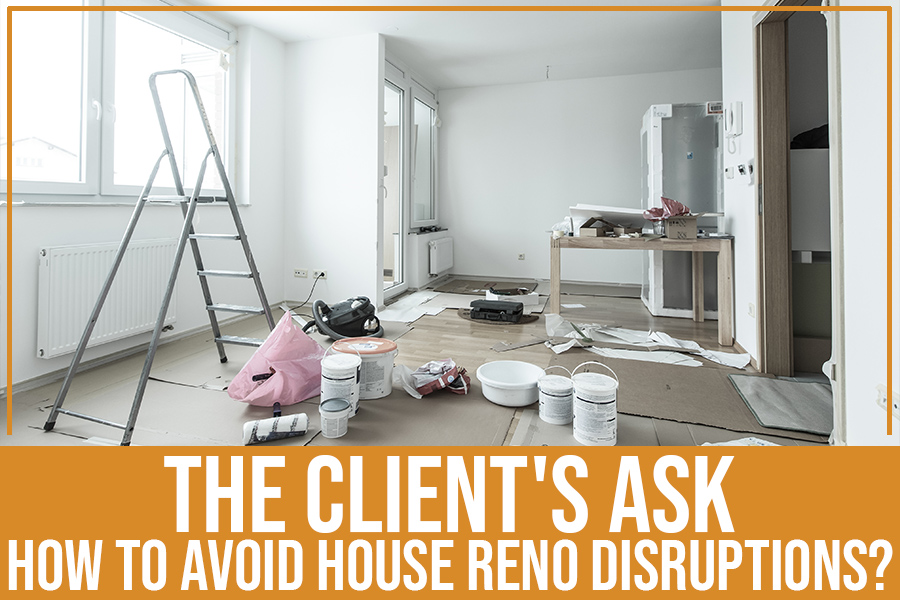
No one wants their home addition project to experience delays and disruptions, either by a lack of construction license or by hiring the wrong construction contractor. Unfortunately, these setbacks can happen sometimes – but there are ways to minimize their chances.
In this blog post, Voshall Construction will discuss some tips for avoiding construction delays and disruptions and how to find a reliable contractor who can help you through the process.
Keep scrolling to learn more!
Tip 1: Research Local Contracting Businesses
Top on our list is ensuring your construction contractor is competent.
The first step is to research their business – are they licensed in your state?
You can speed a simple Google search of their company name followed by “license” or “BBB” (Better Business Bureau) to catch any red flags. It’s also critical to read reviews from past clients to get an idea of their experience working with the contractor.
Not all contractors practice the same type of construction, so you’ll want to ensure they have experience with home additions.
Tip 2: Establish Communication Channels
Teamwork between the client and construction contractor is crucial to avoid delays and disruptions during a home addition project.
A common cause of construction delays is the client’s lack of precise planning.
To prevent this, it’s essential to sit down with your contractor and review every detail of the project before work begins. These discussions should include deciding on a construction schedule, setting a budget, and obtaining all the necessary permits.
If you take care of these issues ahead of time, it will be much easier to avoid delays and disruptions later.
Tip 3: Acquire Building Documents
In addition to ensuring that your contractor has a reliable construction license, there’s a lot more documentation you should take care of before construction begins.
For example, you’ll need to research the permits and area codes that apply to your construction project. Suppose you’re not familiar with the process. In that case, it’s best to consult with a professional who can help you obtain the necessary permits without any delays. Or better yet, leave it to a licensed contractor to secure the required documentation.
The last thing you need is someone popping up to report you when you break down a wall or start building an addition without the proper permits!
Tip 4: Ensure Timely Deliverables
An essential step to countering delays is to have a set timeline for your construction project – and to be realistic about it. This is where you and your construction contractor will sit down and talk out a detailed plan that is best laid out on a chart, and it covers what needs to happen and when.
This timeline should include milestones like “complete framing by Day X” and general goals like “begin work on the addition by Month Y.”
Once you have this timeline set, keep track of it! Refer to it to ensure that your construction contractor is still on schedule.
Conclusion
While we understand that not everything will always go according to plan, following these tips can help avoid construction delays for your home. And, of course, working with a reliable construction contractor – like Voshall Construction – is always a sound investment.
With over 38 years of experience and a solid reputation in Brentwood, CA, we can help ensure your home addition plans become a reality as quickly and efficiently as possible.
Connect with us


Categories

Watch Your Dream Become a Reality – From Concept to Completion!
Bell Air | Beverly Hills | Brentwood | L.A. | Malibu | Pacific Palisades
Quick Links
Our Services
License
920839
| Hours | |
|---|---|
| Monday | 7:00AM - 5:00PM |
| Tuesday | 7:00AM - 5:00PM |
| Wednesday | 7:00AM - 5:00PM |
| Thursday | 7:00AM - 5:00PM |
| Friday | 7:00AM - 5:00PM |
| Saturday | Closed |
| Sunday | Closed |